
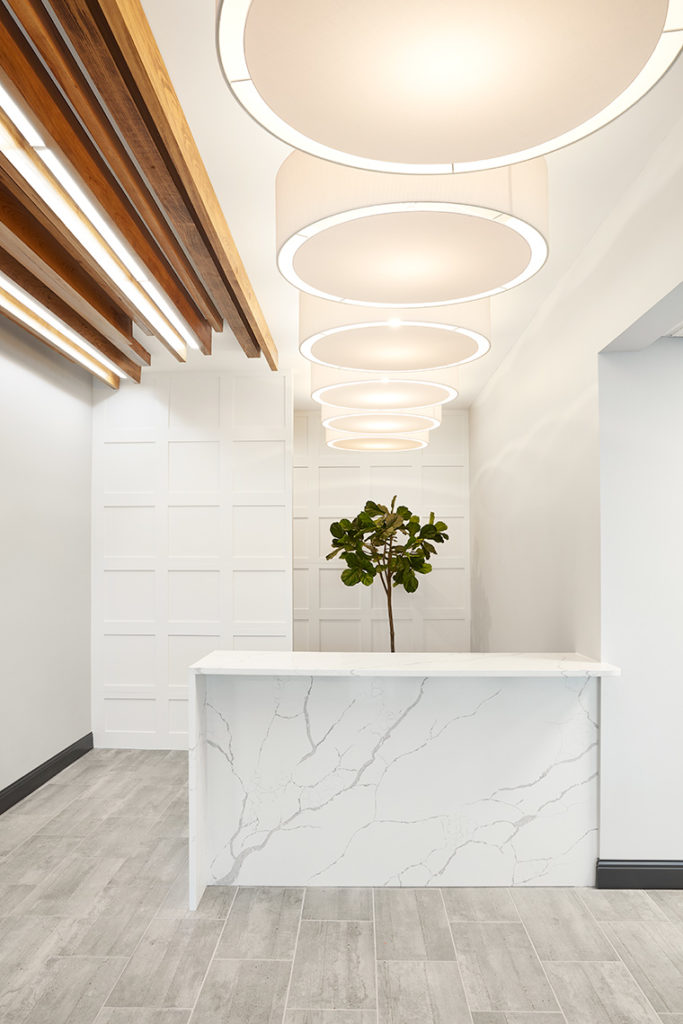
Every business needs a space where employees can recharge. The break room serves as more than just a place to eat lunch. It functions as a gathering spot for informal conversations, a refuge from demanding tasks, and sometimes the birthplace of great ideas shared over coffee. Creating a break room that stands up to constant use while remaining inviting requires thoughtful material choices.
Break room countertops face unique challenges. They must handle hot coffee pots, spilled drinks, microwave splatters, and the accumulated wear of dozens of daily users. Unlike residential kitchens where one family controls the environment, commercial break rooms see use from many people with varying levels of care for shared spaces.
Understanding Commercial-Grade Demands
Commercial environments differ dramatically from residential settings. A home kitchen might see three meals prepared daily by people invested in maintaining the space. A company break room could see 50 or more employees cycling through each day, many in a hurry and few feeling personal ownership of the space.
This heavy use pattern demands countertop materials that forgive carelessness. Hot cups set down without coasters, frozen meals removed directly from microwaves and placed on surfaces, acidic coffee spills left sitting while someone takes a call. These scenarios happen daily in most break rooms, and the countertop material must handle all of them without showing damage.
Beyond daily use, commercial break rooms also face periodic deep cleaning with industrial-strength products. Facility maintenance crews need to sanitize surfaces thoroughly, and the materials must tolerate strong cleaners without degradation.
Why Granite Excels in Break Room Applications
Granite brings several advantages to commercial break room installations. Its natural heat resistance means employees can set hot items directly on the surface without causing damage. The stone’s hardness prevents scratches from utensils, dishes, and general wear. Properly sealed granite also resists staining from coffee, soda, and other common break room spills.
The durability of granite translates to lower long-term maintenance costs. While other materials may need replacement every few years due to wear, granite countertops in commercial settings routinely last 15 to 20 years or more. This longevity makes granite an economical choice when viewed over the life of the installation.
Granite also adds aesthetic value to break room spaces. A beautiful countertop transforms a utilitarian room into an inviting gathering place. Employees appreciate working for companies that invest in pleasant common areas, and attractive break rooms contribute to workplace satisfaction.
Design Considerations for Commercial Break Rooms
Successful break room design balances functionality with durability. Counter space must accommodate the needs of your workforce while using materials that handle the associated wear. Consider how employees actually use the space when planning your layout.
Most break rooms benefit from ample countertop space around the microwave area, where people set down hot containers. A separate coffee station keeps beverage preparation contained to one zone. If your break room includes a sink, the surrounding countertop area sees heavy use and benefits particularly from water-resistant materials like granite.
Color selection matters in commercial settings. Darker granite options hide minor stains and debris between cleanings better than light colors. Patterns with movement and variation also prove more forgiving than solid-colored materials. Consider options like Baltic Brown or Peacock Green for break rooms where cleaning happens less frequently than in residential kitchens.
Comparing Material Options
Beyond granite, business owners often consider laminate, solid surface materials, and quartz for break room applications. Each option presents different strengths and limitations for commercial use.
Laminate offers the lowest initial cost but struggles with the demands of commercial break rooms. Heat damage from coffee pots and microwave containers, scratches from dishes, and delamination from water exposure around sinks all shorten laminate lifespan significantly in these high-use environments.
Solid surface materials provide good durability and the advantage of seamless installation around sinks. However, they remain susceptible to heat damage and can scratch more easily than stone options.
Quartz offers excellent durability and consistent coloring but costs more than granite while providing similar performance in most break room applications. For businesses seeking maximum durability with natural beauty, granite typically provides the best value.
Installation Planning for Minimal Disruption
Commercial countertop installation requires coordination to minimize workplace disruption. Favrstone works with facility managers to schedule installations during off-hours or slow periods when possible. Most break room projects complete within one to two days, allowing quick return to normal operations.
Proper planning includes accurate measurements, template creation, and coordination with any plumbing or electrical work needed. Our team handles these details to ensure smooth installation without unexpected delays or complications.
Frequently Asked Questions
How do I clean granite countertops in a commercial break room?
Daily cleaning with warm water and mild dish soap works well for routine maintenance. For deeper cleaning, commercial stone cleaners or diluted bleach solutions safely sanitize sealed granite surfaces. Avoid acidic cleaners like vinegar on natural stone.
Will hot coffee pots damage granite?
Granite handles heat exceptionally well. While we recommend using trivets for extremely hot items like slow cookers, standard coffee pots and microwave containers pose no risk to properly installed granite countertops.
How often does commercial granite need resealing?
In commercial break room applications, we recommend resealing every one to two years, depending on use intensity. Heavy-use environments benefit from more frequent sealing to maintain maximum stain resistance.
What size countertop works best for break rooms?
Break room counter needs vary based on employee count and usage patterns. Generally, plan for at least 8 to 10 linear feet of counter space for offices with up to 25 employees, with additional space for larger workforces.
Create a Break Room Your Team Deserves
A well-designed break room shows employees you value their comfort and wellbeing. Investing in durable, attractive countertops creates a space people enjoy using and helps maintain a professional environment throughout your facility.
Favrstone provides custom granite countertops for commercial break rooms throughout Southwest Missouri. Contact us to discuss how we can help create a durable, beautiful space for your team.